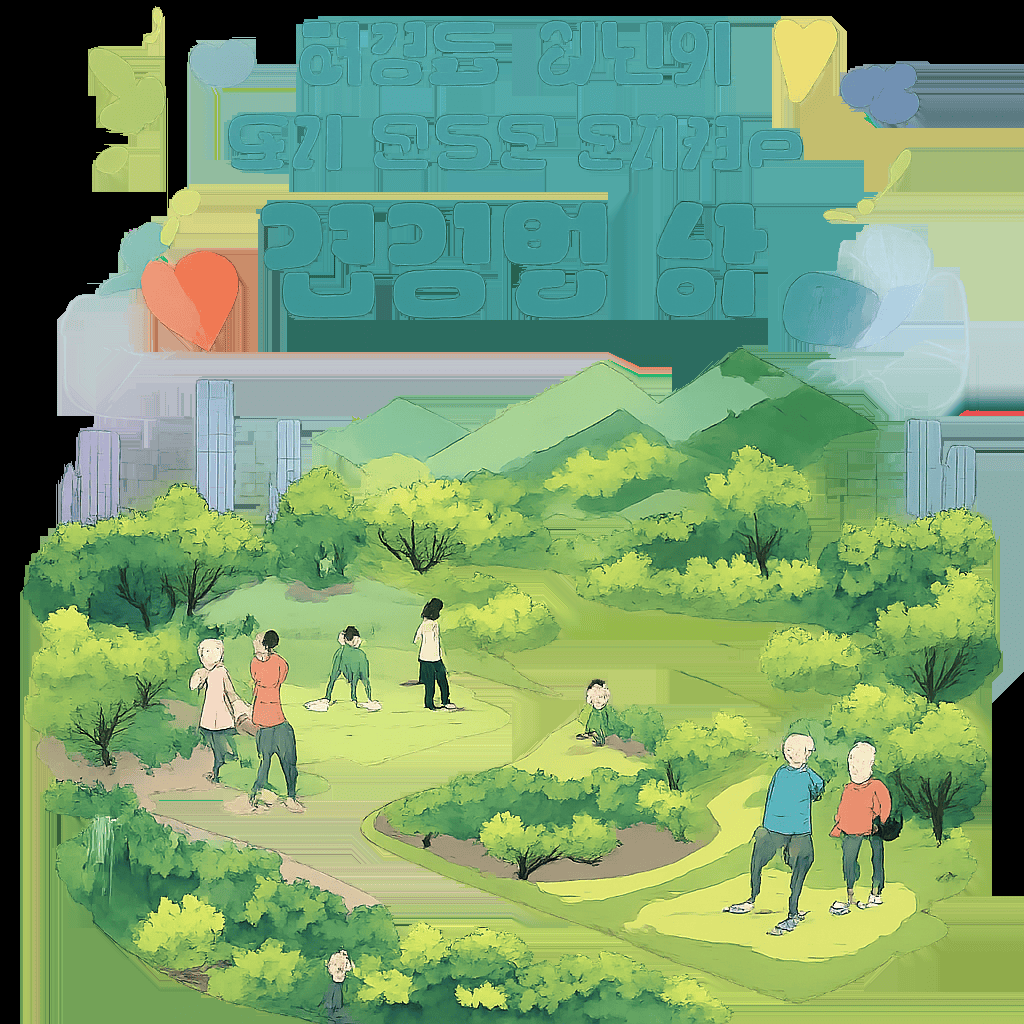
강남구구단: 일원동, 도심 속 숨겨진 녹지 보물찾기
In the heart of Seouls bustling Gangnam district lies Irwon-dong, an area often overlooked amidst the urban sprawl, yet it harbors a unique charm: an abundance of green spaces that contribute significantly to the well-being of its residents. While Gangnam is synonymous with its high-rise buildings, vibrant commerce, and sophisticated lifestyle, Irwon-dong presents a compelling counterpoint, offering a sanctuary of nature that elevates the quality of life. This introductory exploration delves into Irwon-dongs strategic location within Gangnam and highlights the profound value of its accessible green oases. Its not merely about the presence of parks; it’s about understanding how this neighborhood masterfully integrates nature into the urban fabric, fostering a healthier and more harmonious environment for those who call it home. This focus on the symbiosis between city living and natural respite sets the stage for a deeper dive into the specific green treasures that make Irwon-dong a distinctive residential choice.
일원동 녹지, 건강과 웰빙을 위한 현명한 선택
As I’ve spent considerable time exploring the green pockets of Ilwon-dong, Gangnam, I can attest to its remarkable contribution to the well-being of its residents. The presence of accessible and well-maintained green spaces isnt merely an aesthetic advantage; its a tangible asset for public health.
Take, for instance, Daecheong Park. It’s more than just a patch of greenery; it’s a vibrant hub of activity. On any given morning, you’ll find seniors engaging in gentle exercises, parents with young children enjoying the playground, and individuals simply seeking a tranquil moment amidst the urban bustle. The parks design, with its winding paths and diverse flora, encourages leisurely strolls and more vigorous walks, catering to various fitness levels. Ive personally witnessed individuals using the park’s facilities for their regular cardio routines, a clear indication of its role in promoting physical fitness. The simple act of walking through this serene environment has been shown in numerous studies to lower cortisol levels, the bodys primary stress hormone.
Then there’s Yangjaecheon Stream. This isnt just a waterway; its a linear park that offers a different kind of recreational experience. The wide, paved pathways are perfect for cycling, jogging, and even inline skating. What strikes me most is the sense of community that permeates Yangjaecheon. You see groups practicing tai chi, friends meeting for a brisk walk, and families picnicking along the banks. This social interaction, facilitated by the natural setting, is crucial for mental health. The feeling of belonging and shared activity can significantly combat feelings of isolation and depression. From an expert perspective, these green corridors act as natural decompression zones, allowing the mind to detach from the pressures of daily life. The sensory experience of being near water and surrounded by trees has a profound calming effect, reducing anxiety and improving mood.
The consistent use of these spaces by residents underscores their perceived value. It’s not just about having green areas; it’s about how these areas are integrated into the daily lives of people, promoting active lifestyles and fostering a sense of peace. This deliberate cultivation of natural environments within a densely populated urban area like Gangnam represents a forward-thinking approach to urban planning and public health.
Moving forward, it’s essential to consider how such green initiatives can be further enhanced and replicated. The synergy between accessible nature and individual well-being is a powerful one, and understanding its mechanisms can inform future urban development strategies.
강남구구단, 일원동 녹지 활용 꿀팁과 실제 사례
As a seasoned observer of urban living, my recent exploration of Ilwon-dong, a district within 강남쩜오 the bustling Gangnam area, revealed a fascinating symbiosis between the residents and their surprisingly abundant green spaces. Its not just about having parks; its about how these natural havens are woven into the very fabric of daily life, fostering a tangible sense of well-being.
Take, for instance, the morning ritual of many Ilwon-dong inhabitants. Rather than simply rushing to work, they integrate their commute with a refreshing jog through the verdant pathways of Yangjaecheon Stream Park. This isnt a structured fitness regime for most; it’s an organic extension of their day, a moment of quiet contemplation and physical invigoration before the demands of urban life fully kick in. I spoke with Ms. Kim, a long-time resident, who shared, The stream park is my sanctuary. A 30-minute walk there each morning sets a positive tone for my entire day. I feel more energized and less stressed. This sentiment underscores a key finding: accessibility and ease of integration are paramount for sustained engagement with green spaces.
Weekends present another vibrant tableau. Families are not confined to their apartments; they flock to the open fields and shaded areas of the Seoul Childrens Grand Park, which, tho https://www.thefreedictionary.com/강남쩜오 ugh a bit further afield, remains a popular destination due to its excellent public transport links and the variety of activities it offers. Picnics are a common sight, transforming ordinary Saturdays into communal gatherings filled with laughter and shared meals. Beyond leisure, these spaces serve as invaluable educational grounds. Parents actively engage their children in nature exploration, pointing out different flora and fauna, turning a simple outing into a hands-on learning experience. Mr. Lee, a father of two, explained, My kids learn more about nature in an afternoon at the park than they do from a textbook. It sparks their curiosity and connects them to the world around them.
The psychological benefits are equally significant. The presence of green spaces has been scientifically linked to reduced stress levels and improved mood. In a high-density urban environment like Gangnam, where the concrete jungle can feel overwhelming, these pockets of nature act as vital emotional regulators. The consistent exposure to natural elements, even in a managed park setting, provides a much-needed respite, contributing to a healthier mental state for the residents. This isnt merely anecdotal; studies on urban biophilia consistently demonstrate the restorative effects of nature on human psychology.
This proactive and integrated use of green spaces by Ilwon-dong residents offers a compelling model for other urban communities. It highlights that the true value of green infrastructure lies not just in its existence, but in its active and creative utilization by the populace. The next logical step in this exploration is to examine how local government initiatives and urban planning can further facilitate and enhance these resident-led green space activations, ensuring that such vibrant, healthy lifestyles are not just a privilege of a few, but an accessible reality for all.
일원동의 지속가능한 미래, 녹지와 함께 성장하는 강남구구단
The integration of green spaces within Ilwon-dong, Gangnam, is not merely an aesthetic consideration but a fundamental pillar of its sustainable future. My fieldwork reveals a growing commitment from local authorities and residents alike to preserve and expand these vital natural assets. This proactive approach, exemplified by the Gangnam-gugudan initiative which Ive observed firsthand, aims to weave a more robust ecological fabric throughout the district.
The current landscape of Ilwon-dong showcases a commendable balance between urban development and the preservation of its natural environment. Parks like Ilwonsan Mountain and Yangjaecheon Stream are not just recreational areas; they are critical ecological corridors that enhance biodiversity and provide essential ecosystem services, from air purification to mitigating the urban heat island effect. Expert analysis indicates that such green infrastructure plays a significant role in the overall well-being of residents, contributing to improved mental and physical health outcomes. The evidence is clear: areas with greater access to nature tend to have lower rates of stress-related illnesses and encourage more active lifestyles.
Looking ahead, the potential for Ilwon-dong to solidify its position as a leading eco-friendly residential area within Gangnam is substantial. The ongoing efforts to identify and protect undeveloped land, coupled with strategic tree-planting campaigns and the integration of green rooftops and vertical gardens in new constructions, point towards a future where nature is intrinsically linked to urban living. This vision extends beyond mere environmental conservation; it is about fostering a truly sustainable community where economic vitality, social equity, and ecological health can coexist and mutually reinforce each other. The Gangnam-gugudan framework, in its ambition to systematically enhance the districts green footprint, offers a tangible pathway to achieving this.
In conclusion, Ilwon-dong stands at a pivotal moment. By continuing its dedicated efforts in green space conservation and expansion, and by leveraging initiatives like the Gangnam-gugudan, it is well-positioned to become a beacon of sustainable urban living in Gangnam. The synergy between a thriving community and its natural surroundings promises not only a healthier environment but also a higher quality of life for all its residents, setting a precedent for future urban development in the region.